 11
11The Great Dane dog is one of the tallest and most popular giant dog breeds in the world. Known as the gentle giant, the Great Dane dog breed is admired for its calm temperament, impressive size, and loyalty. If you are planning to buy a Great Dane in India, understanding its price, care, food requirements, and health needs is essential.
In India, Danes Dog have become increasingly popular among dog lovers who admire large breeds. Their majestic appearance and protective instincts make them stand out wherever they go. However, owning a Great Dane dog is a serious responsibility because these giant dogs require proper space, nutrition, healthcare, and training.
In this detailed guide, we’ll explore everything about the Great Dane dog, including temperament, price in India, lifespan, food, training, exercise, health issues, and whether this giant breed is the right fit for your lifestyle.
| Feature | Details |
| Origin | Germany |
| Breed Group | Working |
| Height | 30–34 inches |
| Weight | 45–90 kg |
| Lifespan | 7–10 years |
| Coat | Short |
| Temperament | Gentle, Loyal |
| Good with Kids | Yes |
| Apartment Friendly | Large apartments |
| Price in India | ₹25,000–₹80,000+ |
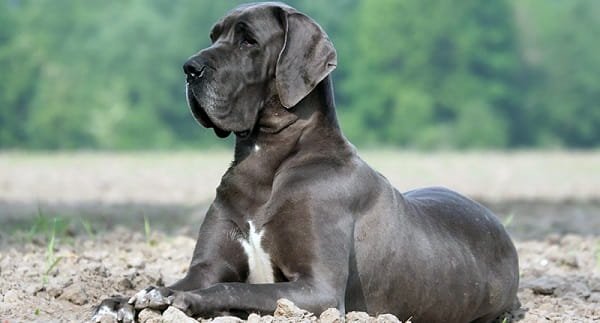
Great Dane is one of the tallest dog breeds in the world. Originally developed in Germany, this breed was historically used for:
Today, Great Danes are mostly family companions and guard dogs.
Despite their enormous size, they are often referred to as “gentle giants” because of their affectionate and friendly nature.
The Great Dane is impossible to ignore because of its huge body and elegant structure.
Physical Features
Their appearance combines:
Great Danes grow very quickly during their first 18–24 months. Proper nutrition, regular exercise, and routine veterinary care help them reach a healthy adult size and weight.
| Age | Average Height | Average Weight |
| 2 Months | 10–13 inches | 9–15 kg |
| 3 Months | 14–17 inches | 18–23 kg |
| 6 Months | 23–30 inches | 36–50 kg |
| 9 Months | 27–33 inches | 45–60 kg |
| 12 Months | 28–34 inches | 50–68 kg |
| 18–24 Months (Adult) | Male: 30–34 inches Female: 28–32 inches |
Male: 63–79 kg Female: 50–63 kg |
Note: These are average growth ranges. Individual Great Danes may grow slightly faster or slower depending on genetics, diet, health, and overall care. Regular check-ups with a veterinarian help ensure healthy development.
Great Danes come in several beautiful colors, including:
The Harlequin pattern is especially famous because of its unique black-and-white appearance.
Despite their giant size, Great Danes are known as gentle giants. They are calm, loving, friendly, and form strong bonds with their families.
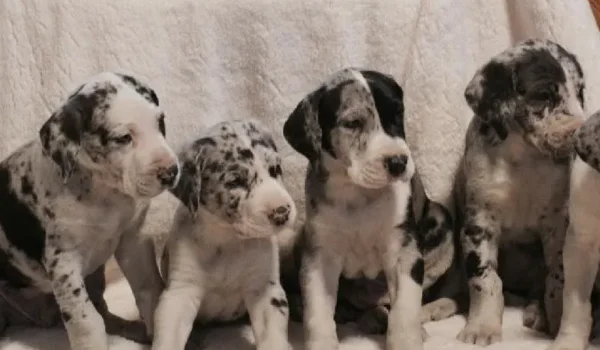
The price of a Great Dane puppy in India depends on factors like breeder reputation, bloodline, coat color, vaccination, and registration status. Prices can vary from city to city due to availability and demand.
| City | Average Great Dane Puppy Price |
| Delhi NCR | ₹30,000 – ₹60,000 |
| Mumbai | ₹35,000 – ₹70,000 |
| Bangalore | ₹30,000 – ₹65,000 |
| Hyderabad | ₹30,000 – ₹60,000 |
| Chennai | ₹30,000 – ₹60,000 |
| Pune | ₹30,000 – ₹60,000 |
| Kolkata | ₹25,000 – ₹55,000 |
| Ahmedabad | ₹25,000 – ₹55,000 |
| Jaipur | ₹25,000 – ₹55,000 |
| Lucknow | ₹25,000 – ₹50,000 |
Premium Quality Price: ₹60,000 – ₹1,20,000+ (KCI registered, imported bloodline, or show-quality Great Danes)
Note: Prices are approximate and depend on puppy quality, breeder credibility, health testing, vaccination status, and location. Always check health records and meet the breeder before buying a Great Dane puppy.
Great Danes are giant dogs, so their food, healthcare, and grooming expenses are higher compared to medium-sized breeds. The monthly cost depends on diet quality, lifestyle, and medical needs.
| Expense Category | Estimated Monthly Cost |
| Food (Premium Dog Food + Supplements) | ₹5,000 – ₹10,000 |
| Grooming & Hygiene | ₹500 – ₹1,500 |
| Vet Care & Medicines (Average) | ₹500 – ₹2,000 |
| Toys, Treats & Accessories | ₹500 – ₹1,500 |
| Training & Other Expenses | ₹1,000 – ₹3,000 |
| Total Monthly Maintenance Cost | ₹7,500 – ₹18,000 Approx. |
Note: Great Danes require a nutritious diet, regular health check-ups, and proper care due to their large size. Medical expenses can increase as they are prone to certain health issues, so keeping an emergency budget is recommended.
Great Danes grow rapidly during their puppy stage and need a balanced diet with the right amount of protein, calcium, and nutrients. Their food quantity should increase gradually according to age, weight, and activity level.
| Age | Feeding Frequency | Recommended Food | Approximate Quantity |
| 2–3 Months | 3–4 meals/day | Puppy food, boiled chicken, rice, vegetables, curd | 2–3 cups per meal |
| 4–6 Months | 3 meals/day | Some vets may recommend calcium and joint supplements especially during growth stages | 3–5 cups per meal |
| 6–12 Months | 2–3 meals/day | Large breed puppy diet, lean meat, fish, eggs, balanced kibble | 5–8 cups per day |
| 12–18 Months | 2 meals/day | Adult transition food, protein-rich diet, vegetables | 6–10 cups per day |
| 18+ Months (Adult) | 2 meals/day | Adult dog food, meat, vegetables, healthy fats | 8–12 cups per day |
Important Feeding Tips:
Note: Food quantity can vary depending on your Great Dane’s weight, activity level, health condition, and the type of food (commercial dog food or home-cooked diet). A veterinarian can help create the best diet plan for your dog.
Feeding a Great Dane is a major responsibility because giant breeds require balanced nutrition for healthy bones and joints.
Best Diet for Great Dane Dogs
Protein Sources
Carbohydrates
Supplements
Some vets may recommend:
especially during growth stages.
Do not overfeed puppies.
Excessive growth too quickly may increase bone and joint problems.
Unfortunately, giant breeds usually have shorter lifespans compared to smaller dogs.
Average Lifespan
Proper care, diet, and regular health monitoring may improve lifespan.
This is one of the most important questions for Indian pet owners.
Good News
Great Danes have short coats, which helps them tolerate heat better than fluffy breeds like Huskies or Saint Bernards.
But There Are Still Challenges
Extreme Indian summers can still cause:
Owners should provide:
Great Dane puppies need timely vaccinations to protect them from serious diseases like parvovirus, distemper, hepatitis, and rabies. The exact schedule may vary depending on the puppy’s health and veterinarian’s advice.
| Age | Vaccination | Purpose |
| 6–8 Weeks | First Puppy Vaccine (DHPP/DHPPi) | Protects against distemper, hepatitis, parvovirus, and other infections |
| 9–12 Weeks | Second Puppy Vaccine (DHPP/DHPPi Booster) | Strengthens immunity against core diseases |
| 12–16 Weeks | Third Puppy Vaccine + Rabies Vaccine | Final puppy booster and protection against rabies |
| 6 Months | Booster Dose (as advised by vet) | Additional protection based on health and vaccine type |
| 12 Months | Annual Booster Vaccines | Maintains immunity against major diseases |
| Every Year | Rabies & Other Booster Vaccines | Continued protection throughout life |
Additional Care After Vaccination
Note: Vaccination schedules can differ depending on the puppy’s health, vaccine brand, local disease risks, and veterinarian recommendations. Always consult a qualified veterinarian before deciding the final vaccination plan.
Despite their size, Great Danes are not hyperactive dogs.
However, they still need:
Avoid Excessive Exercise in Puppies
Heavy running or jumping may damage growing joints.
Puppies should exercise carefully until bones develop fully.
Training is essential because controlling such a large dog becomes difficult without obedience.
Start Early
Begin:
during puppyhood.
Important Commands
Teach:
A fully grown untrained Great Dane can accidentally overpower owners due to size.
Use Positive Reinforcement
Reward-based training works best.
Avoid harsh punishment.
Grooming Requirements
One advantage of Great Danes is relatively low grooming maintenance.
Their short coat sheds moderately.
Large breeds are prone to several health issues.
This is one of the most dangerous conditions in Great Danes.
Symptoms include:
It is a medical emergency.
Joint problems are common in giant breeds.
Some Great Danes develop heart-related conditions.
Rapid growth may stress bones and joints.
Regular vet checkups are extremely important.
Many people assume giant dogs cannot live indoors.
Surprisingly, adult Great Danes are often calm inside homes.
However:
They are more suitable for:
Their huge size naturally makes intruders cautious.
Great Danes can be:
But they are usually not overly aggressive without reason.
Typically, no.
Well-trained Great Danes are usually:
Aggression usually develops because of:
Puppies grow rapidly and need balanced diet.
Avoid heavy jumping.
Large dogs must learn manners early.
Follow regular veterinary schedule.
Advantages
Challenges
Owning a giant breed requires long-term commitment.
Best Families for Great Danes
Great Danes are best suited for:
| Feature | Great Dane | Rottweiler | Saint Bernard |
| Origin | Germany | Germany | Switzerland & Italy |
| Size | Very large (one of the tallest dog breeds) | Large and muscular | Very large and heavy |
| Temperament | Gentle, calm, affectionate | Loyal, confident, protective | Friendly, patient, and gentle |
| Family Compatibility | Excellent with families | Good with experienced owners | Excellent with families |
| Guarding Ability | Moderate (size acts as a deterrent) | Excellent guard dog | Moderate |
| Energy Level | Moderate | High | Low to moderate |
| Training | Easy with positive training | Requires firm and consistent training | Easy but can be stubborn |
| Grooming Needs | Low | Low | High (thick coat and shedding) |
| Heat Tolerance | Moderate (needs protection from heat) | Better than other giant breeds | Poor in hot climates |
| Apartment Suitability | Possible with enough space and exercise | Less suitable without proper activity | Difficult due to size and heat sensitivity |
| Average Lifespan | 8–10 years | 8–10 years | 8–10 years |
| Best For | Families looking for a gentle giant companion | Owners wanting a protective and loyal dog | Families wanting a calm giant breed |
Which One Should You Choose?
For most Indian families, Great Dane is often a better choice among these three because of its gentle nature, lower grooming needs, and adaptability with proper care.
Ask yourself:
Never buy giant breeds impulsively.
Is Great Dane a good family dog?
Yes, Great Dane is considered an excellent family dog. Despite its giant size, it is usually gentle, affectionate, and friendly with family members. They are known as “gentle giants” because they enjoy human companionship and can be very loving with children when properly trained and socialized.
Is Great Dane aggressive?
No, Great Danes are generally not aggressive. They are calm and patient dogs, but their large size can make them appear intimidating. Proper training, early socialization, and responsible ownership are important to ensure good behaviour.
Can Great Dane live in India?
Yes, Great Danes can live in India, but they need proper care, especially in hot climates. They require a cool living environment, enough water, balanced food, and protection from extreme heat. Owners should avoid excessive outdoor activities during hot afternoons.
Is Great Dane suitable for apartments?
Great Danes can live in apartments if they get enough daily exercise and attention. Although they are large dogs, they are not extremely hyperactive and usually enjoy relaxing indoors. However, a spacious apartment with enough room to move around is more suitable.
How much does a Great Dane puppy cost in India?
A Great Dane puppy in India usually costs around ₹25,000 to ₹60,000 depending on factors like breeder reputation, location, pedigree, vaccination, and health quality. Premium or show-quality Great Danes may cost more.
What is the lifespan of a Great Dane?
The average lifespan of a Great Dane is around 8 to 10 years. Providing a healthy diet, regular exercise, veterinary care, and proper weight management can help improve their quality of life.
How much food does a Great Dane eat daily?
An adult Great Dane usually eats around 8–12 cups of dry dog food per day, divided into two meals. The exact amount depends on the dog’s age, weight, activity level, and type of food.
Can Great Dane stay alone?
Great Danes can stay alone for a few hours, but they do not enjoy being left alone for long periods. They are social dogs and may develop anxiety or destructive behaviour if they do not receive enough attention and interaction.
Which is better, Great Dane or Rottweiler?
Both breeds have different qualities. Great Danes are generally calmer, more affectionate, and suitable for families looking for a gentle companion. Rottweilers are more protective, stronger-willed, and often preferred as guard dogs. The better choice depends on your lifestyle, experience, and purpose.
Is Great Dane easy to train?
Yes, Great Danes are generally easy to train because they are intelligent and eager to please their owners. However, training should start early because their large size can make bad habits difficult to manage later. Positive reinforcement methods work best with this breed.
Great Dane is truly one of the most majestic and lovable dog breeds in the world. Despite their giant size and powerful appearance, Great Danes are usually affectionate, calm, and deeply loyal companions.
However, owning a Great Dane is not a casual decision. These dogs require:
For families prepared to handle a giant breed, the Great Dane can become an unforgettable companion and gentle protector.
With proper care and love, this “gentle giant” can bring enormous joy, companionship, and loyalty into your life.