 11
11Pocket dogs have become extremely popular among Indian pet lovers, especially in cities where apartment living is common. These tiny dogs are loved for their adorable size, playful personalities, and ability to fit comfortably into smaller homes and modern lifestyles.
The term “pocket dog” usually refers to very small dog breeds that are compact enough to be carried easily or comfortably sit on your lap. While they may look tiny and cute, many pocket dogs have surprisingly big personalities, lots of energy, and strong emotional bonds with their owners.
However, owning a pocket-sized dog is not as simple as many people think. Small dogs require proper care, training, nutrition, grooming, and protection because their delicate bodies can be more sensitive than larger breeds.
In this detailed guide, we’ll explore everything about pocket dogs, including the best pocket dog breeds, price in India, care tips, temperament, health concerns, and whether these tiny companions are suitable for your lifestyle.

A pocket dog is not an official breed category. It is an informal term used for:
These dogs are usually lightweight and easy to carry.
Most pocket dogs weigh:
They are especially popular among:
Urban living has increased demand for smaller pets.
Many Indian pet owners prefer pocket dogs because:
Social media has also increased the popularity of tiny dog breeds.
Small size does not always mean low maintenance.
Pocket dogs may require:
Some tiny breeds are also prone to health issues.
Chihuahua is one of the smallest dog breeds in the world.
Why People Love Them
Despite their small body, Chihuahuas are fearless and confident.
Important Note
They may become possessive without proper training.
Pomeranian remains one of the most popular small breeds in India.
Cute Features
Pomeranians are playful and affectionate.
Grooming Needs
Their thick coat requires regular brushing.
Shih Tzu is perfect for apartment living.
Why Families Love Them
Shih Tzus enjoy staying close to owners.
Maltese dog is known for its silky white coat.
Personality
They make excellent lap dogs.
Yorkshire Terrier is a small breed with lots of confidence.
Why They Are Popular
Yorkies are energetic and alert.
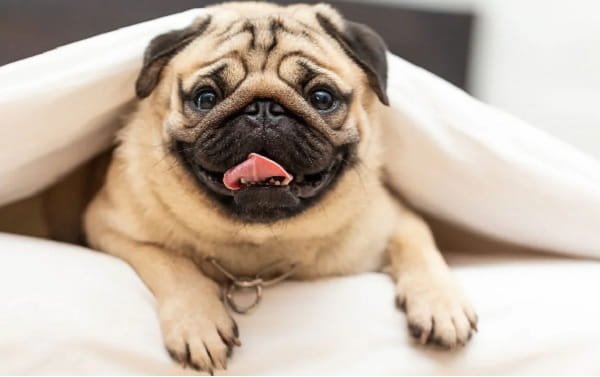
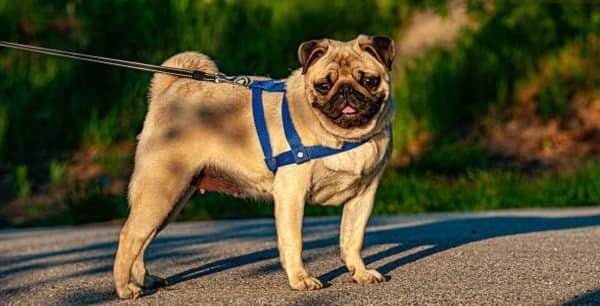
Pug became highly popular in Indian cities.
Adorable Features
Pugs are affectionate indoor dogs.
Climate Concern
Indian summers can be difficult for flat-faced breeds.
Poodle in toy size is both cute and highly intelligent.
Advantages
Toy Poodles need mental stimulation and grooming.
Prices vary depending on:
| Breed | Price Range |
| Chihuahua | ₹15,000 – ₹50,000 |
| Pomeranian | ₹5,000 – ₹20,000 |
| Shih Tzu | ₹20,000 – ₹60,000 |
| Maltese | ₹25,000 – ₹70,000 |
| Yorkshire Terrier | ₹30,000 – ₹80,000 |
Avoid illegal or unethical breeders selling unhealthy “micro” puppies.
Yes, many pocket dogs are loving family companions.
But families with very young children should be careful because:
Supervision is important.
Small dogs have fast metabolism.
They require:
Best Food Options
Avoid overfeeding because obesity is dangerous for tiny breeds.
Small breeds are often more delicate than larger dogs.
Tiny dogs commonly develop:
Regular dental cleaning is important.
Jumping from beds or sofas may cause injuries.
Flat-faced breeds like Pugs may struggle in hot weather.
Small dogs lose body heat faster.
Some tiny breeds require heavy grooming.
High-Grooming Breeds
Regular brushing prevents matting.
Pocket dogs may be small, but they still need activity.
Good Activities
Lack of stimulation may lead to:
Many people ignore training because the dog is tiny.
This is a mistake.
Without training, small dogs may become:
Teach:
Positive reinforcement works best.
Not every pocket breed handles Indian heat well.
Better for Indian Weather
Always provide:
Many sellers promote:
These are often bred unethically.
Extremely tiny dogs may suffer from:
Always prioritize health over size.
Absolutely.
Many small dogs and Indie puppies are available for adoption.
Adoption helps:
Sometimes adopted dogs become the most loving companions.
Keep Home Safe
Tiny dogs can get injured easily.
Use Small Toys
Large chew toys may hurt their jaws.
Avoid Overfeeding
Obesity creates serious health problems.
Regular Vet Visits
Vaccination and parasite control are essential.
Good beginner-friendly options include:
These breeds are usually easier to manage with proper care.
Some are, some are not.
Low Maintenance
Higher Maintenance
Research the breed carefully before choosing.
Pocket dogs may be tiny in size, but they bring enormous love, companionship, and personality into a home. Whether you prefer a fluffy Pomeranian, playful Chihuahua, calm Shih Tzu, or stylish Maltese, these little companions can fit beautifully into modern Indian lifestyles.
However, choosing a pocket dog should never be based only on appearance. Proper training, nutrition, grooming, healthcare, and responsible ownership are essential for keeping small dogs healthy and happy.
Before bringing home a pocket dog, always consider:
And remember — sometimes the best companion may not be the most expensive imported breed, but the small loving dog waiting for adoption nearby.