 11
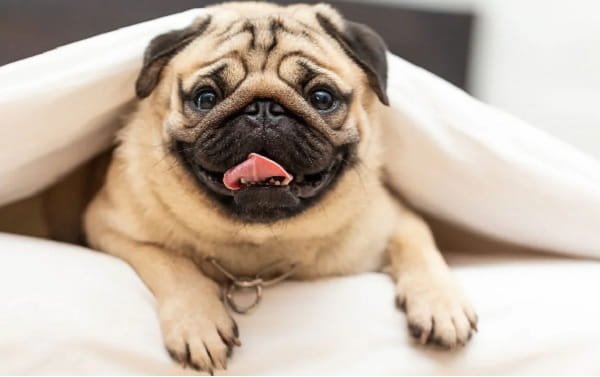
11Few puppies are as lovable as a baby Pug dog. With their wrinkled face, round eyes, curled tail, and playful nature, Pug puppies are among the most popular companion dogs, especially for apartment living.
However, raising a baby Pug requires more than love. They need proper food, grooming, training, vaccinations, and extra care because of their flat-faced (brachycephalic) structure, especially in India’s hot weather.
Whether you’re planning to adopt a Pug puppy or already have one, this guide covers everything you need to know, including care, food, training, health, grooming, and the average baby Pug dog price in India.

| Feature | Details |
| Breed | Pug |
| Breed Group | Toy Dog |
| Origin | China |
| Puppy Age | Birth to 12 Months |
| Adult Weight | 6–8 kg |
| Adult Height | 10–13 inches |
| Life Expectancy | 12–15 years |
| Coat Type | Short and Smooth |
| Coat Colors | Fawn, Black, Apricot, Silver |
| Temperament | Friendly, Loving, Playful |
| Exercise Needs | Low to Moderate |
| Grooming | Moderate |
| Apartment Friendly | Yes |
| Good with Kids | Yes |
| Good for Beginners | Yes |
A baby Pug dog is a young Pug puppy from birth to about one year of age. During this time, it grows quickly and learns important habits through training and socialization.
Originally bred in China as companion dogs, Pugs are loved worldwide for their affectionate nature and charming appearance.
Pug Puppy Growth Stages:
Proper care during the first year helps your Pug grow into a healthy and well-behaved adult dog.
Pugs are a favorite in India because they are friendly, small, and well-suited for apartment living.
Tip: Pugs are sensitive to heat because of their short nose. Keep them cool, avoid midday walks, and always provide fresh water.
The baby Pug dog price in India depends on factors such as the breeder’s reputation, the puppy’s bloodline, age, coat color, location, and whether it is registered with the Kennel Club of India (KCI). Puppies from responsible breeders may cost more, but they are usually healthier, properly vaccinated, and better socialized.
Avoid buying very cheap puppies from unknown sellers, as they may have health problems or may not have received proper veterinary care.
| Type | Average Price |
| Pet Quality Pug Puppy | ₹10,000 – ₹20,000 |
| KCI Registered Puppy | ₹20,000 – ₹35,000 |
| Show Quality Puppy | ₹35,000 – ₹60,000+ |
Tip: Always ask for vaccination records, deworming history, health certificates, and details about the puppy’s parents before making a purchase.
Prices may vary slightly depending on demand and breeder availability.
| City | Average Price |
| Delhi | ₹15,000 – ₹35,000 |
| Mumbai | ₹18,000 – ₹40,000 |
| Bangalore | ₹18,000 – ₹38,000 |
| Hyderabad | ₹15,000 – ₹35,000 |
| Chennai | ₹15,000 – ₹35,000 |
| Pune | ₹15,000 – ₹35,000 |
| Kolkata | ₹12,000 – ₹30,000 |
| Ahmedabad | ₹12,000 – ₹30,000 |
| Jaipur | ₹12,000 – ₹28,000 |
| Lucknow | ₹10,000 – ₹25,000 |
What Affects the Price?
The cost of a Pug puppy depends on several factors, including:
Remember, the purchase price is only the beginning. You should also budget for food, vaccinations, grooming, toys, and regular veterinary check-ups.
Pug puppies are loved for their cute and unique looks.
Baby Pugs are available in several beautiful coat colors.
| Color | Description |
| Fawn | The most common color with a black face mask |
| Black | Elegant solid black coat with shiny fur |
| Apricot | Warm golden shade with a darker facial mask |
| Silver | A rare light grey coat with a unique appearance |
Although coat color changes the puppy’s appearance, it does not affect its personality or intelligence.
The following table shows the average growth of a healthy Pug puppy. Individual puppies may grow at slightly different rates depending on genetics, diet, and overall health.
| Age | Average Weight | Average Height |
| 45 Days | 1–1.5 kg | 4–5 inches |
| 2 Months | 1.5–2 kg | 5–6 inches |
| 3 Months | 2–3 kg | 6–7 inches |
| 4 Months | 3–4 kg | 7–8 inches |
| 6 Months | 4–6 kg | 8–10 inches |
| 8 Months | 5–7 kg | 9–11 inches |
| 12 Months | 6–8 kg | 10–13 inches |
A balanced diet, regular exercise, and routine veterinary check-ups help ensure your puppy grows at a healthy pace.
Pug puppies are known for their cheerful and affectionate personalities. They love being around people and often prefer staying close to their owners throughout the day.
Some common personality traits include:
Because Pugs are companion dogs, they do not like being left alone for long hours. Spending quality time with your puppy helps prevent boredom and separation anxiety.
A baby Pug is a great choice for many families, especially those looking for a friendly indoor companion.
A Pug May Not Be Ideal If You:
With proper care, training, and attention, a baby Pug grows into a loyal, loving, and happy family companion.
Pugs are not expensive to maintain compared to many large dog breeds. However, they still need quality food, preventive healthcare, and regular grooming to stay healthy.
| Expense | Estimated Monthly Cost |
| Food | ₹2,000 – ₹3,500 |
| Treats | ₹300 – ₹700 |
| Grooming | ₹300 – ₹800 |
| Vet & Medicines | ₹500 – ₹1,500 |
| Toys & Accessories | ₹300 – ₹800 |
| Estimated Total | ₹3,500 – ₹7,000 |
Your actual monthly expenses may be higher if your puppy needs special food, frequent veterinary visits, or professional grooming.
Baby Pug Feeding Guide
A healthy diet is one of the most important parts of baby Pug dog care. Since Pugs love eating and can gain weight easily, feeding the right amount of food is essential. Overfeeding can lead to obesity, breathing problems, and joint issues later in life.
Feed your puppy according to its age, weight, and activity level. Always choose high-quality puppy food that provides a good balance of protein, healthy fats, vitamins, and minerals.
| Age | Meals Per Day |
| 2–3 Months | 4 meals |
| 3–6 Months | 3 meals |
| 6–12 Months | 2–3 meals |
| Above 12 Months | 2 meals |
Try to feed your puppy at the same time every day. A consistent feeding routine supports healthy digestion and makes house training easier.
The amount of food depends on your puppy’s weight and the type of food you choose.
| Age | Daily Food Quantity* |
| 2 Months | 70–100 g |
| 3 Months | 100–140 g |
| 4 Months | 140–180 g |
| 6 Months | 180–230 g |
| 8–12 Months | 220–300 g |
*Always follow the feeding guidelines on your puppy food packaging and adjust the amount based on your veterinarian’s advice.
A balanced diet should include protein, healthy carbohydrates, vegetables, and healthy fats.
Good Foods for a Baby Pug
Introduce new foods gradually and watch for any signs of allergies or digestive upset.
Both homemade meals and commercial puppy food can be healthy when prepared correctly.
Homemade Food
Pros
Cons
Commercial Puppy Food
Pros
Cons
Many owners choose a combination of high-quality puppy food and fresh homemade meals to provide variety and balanced nutrition.
Some everyday foods can be dangerous for Pug puppies. Never feed your puppy:
If your puppy accidentally eats any toxic food, contact a veterinarian immediately.
Fresh, clean drinking water should always be available.
On average:
During summer, your Pug may drink more water to stay hydrated. Change the water several times a day and keep the bowl clean.
Follow these simple tips to keep your Pug puppy healthy:
A nutritious diet, combined with regular exercise and routine healthcare, will help your baby Pug dog grow into a healthy, active, and happy companion.
Vaccinations protect your baby Pug dog from serious and life-threatening diseases. Puppies receive some immunity from their mother’s milk, but this protection gradually wears off. That’s why timely vaccination is essential during the first few months.
Your veterinarian may adjust the schedule based on your puppy’s health and local disease risks.
| Puppy Age | Vaccine |
| 6–8 Weeks | DHPPi (Distemper, Hepatitis, Parvovirus, Parainfluenza) – 1st Dose |
| 9–10 Weeks | DHPPi – 2nd Dose |
| 12–14 Weeks | DHPPi Booster + Anti-Rabies |
| 16 Weeks | Booster (if recommended by your vet) |
| Every Year | Annual Booster + Rabies |
Tips:
Puppies are more likely to get intestinal worms, which can affect their growth and overall health. Regular deworming helps keep them healthy.
| Age | Deworming |
| 2 Weeks | First Deworming |
| 4 Weeks | Second Dose |
| 6 Weeks | Third Dose |
| 8 Weeks | Fourth Dose |
| Up to 6 Months | Once Every Month |
| Above 6 Months | Every 3 Months or as Recommended by the Vet |
Regular stool checks and good hygiene also help reduce the risk of parasite infections.
Although Pugs have a short coat, they need regular grooming to stay clean and comfortable. Their facial wrinkles, ears, and skin require extra attention.
Brushing
Brush your puppy 2–3 times a week using a soft-bristle brush or grooming glove. This helps remove loose hair, reduce shedding, and keep the coat shiny.
Bathing
Give your Pug a bath every 3–4 weeks, or sooner if it gets dirty. Always use a mild dog shampoo designed for puppies.
Avoid over-bathing, as it can dry out the skin.
Wrinkle Cleaning
One of the most important parts of Pug puppy care is cleaning the facial wrinkles.
Ear Care
Inspect your puppy’s ears every week.
Eye Care
Pugs have large, prominent eyes that can collect dust easily.
Nail Trimming
Trim your puppy’s nails every 3–4 weeks. If you hear clicking sounds while walking indoors, it’s usually time for a trim.
Dental Care
Brush your Pug’s teeth at least 2–3 times a week using dog toothpaste. Good dental hygiene helps prevent bad breath and gum disease.
Pugs are intelligent and enjoy learning, especially when training sessions are fun and rewarding. Start training as early as possible while keeping sessions short.
Potty Training
Take your puppy outside:
Reward successful potty breaks with praise or healthy treats.
Basic Commands
Teach simple commands like:
Practice for 5–10 minutes daily to keep your puppy interested.
Leash Training
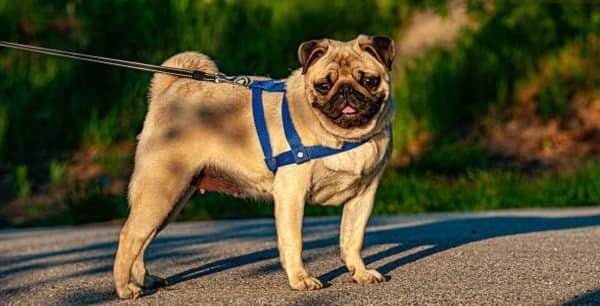
Introduce a lightweight harness and leash indoors first. Once your puppy feels comfortable, begin taking short walks outside.
Socialization
Expose your puppy to:
Early socialization helps build confidence and reduces fear later in life.
Positive Reinforcement
Always reward good behaviour with treats, praise, or playtime. Avoid shouting or harsh punishment, as Pugs respond much better to kindness and consistency.
Exercise Requirements
Pugs don’t require intense exercise, but they still need daily physical activity to stay fit and avoid weight gain.
Daily Exercise
Because of their flat faces, Pugs can become tired quickly. Watch for signs such as heavy panting or slowing down, and allow plenty of rest.
Like many purebred dogs, Pugs are prone to certain health conditions. Understanding these issues can help you detect problems early and provide better care.
Breathing Problems
Their short muzzle can make breathing difficult, especially in hot or humid weather.
Prevention:
Obesity
Pugs love food and can easily become overweight.
Prevention:
Skin Fold Infections
Moisture trapped in facial wrinkles can lead to irritation and infections.
Prevention:
Eye Problems
Because their eyes protrude slightly, Pugs are more prone to eye injuries and infections.
Watch for:
Seek veterinary care if these symptoms appear.
Hip and Joint Problems
Some Pugs may develop joint issues as they grow older.
Prevention:
Dental Disease
Food particles can easily build up around the teeth.
Prevention:
Indian summers can be challenging for Pugs because they cannot cool themselves as efficiently as many other breeds.
Keep Your Puppy Cool
Walk During Cooler Hours
Take your puppy for walks:
Avoid afternoon walks during peak heat.
Provide Plenty of Water
Always keep fresh drinking water available and refill the bowl throughout the day.
Never Leave Your Puppy in a Parked Car
Even for a few minutes, the temperature inside a parked vehicle can rise quickly and become dangerous.
Watch for Signs of Heatstroke
Seek immediate veterinary help if your puppy shows:
Winter Care for Baby Pugs
Although Pugs tolerate mild winters, puppies can feel cold more easily than adult dogs.
During winter:
If you’re bringing home a baby Pug dog for the first time, these simple habits can make a big difference:
With proper care, your Pug puppy can grow into a healthy, affectionate, and well-behaved companion that brings joy to your family for many years.
Before bringing home a baby Pug dog, it’s important to understand both the advantages and challenges of the breed.
| Pros | Cons |
| Friendly and affectionate | Can have breathing problems |
| Excellent apartment dog | Sensitive to hot weather |
| Good with children | Sheds throughout the year |
| Suitable for first-time owners | Needs regular wrinkle cleaning |
| Moderate exercise needs | Can become overweight easily |
| Gets along with other pets | Doesn’t like being left alone for long |
| Intelligent and easy to train | Regular vet care may be needed |
If you can provide proper care, attention, and a comfortable indoor environment, a Pug can be a wonderful companion for many years.
If you’re planning to welcome a Pug into your family, consider both buying from a responsible breeder and adopting from a rescue organization.
Buy from a Reputable Breeder
Choose a breeder who:
Avoid buying puppies from pet shops or online sellers who cannot provide proper health records.
Consider Adoption
Many Pugs are surrendered because their owners are unable to care for them. Adopting gives a deserving dog a second chance while helping reduce irresponsible breeding.
Whether you buy or adopt, choose a healthy puppy and be prepared for the long-term responsibility of pet ownership.
A baby Pug dog usually costs between ₹10,000 and ₹35,000, depending on the breeder, location, bloodline, and KCI registration.
Yes. Pugs are friendly, adaptable, and easy to manage, making them one of the best dog breeds for beginners.
Most Pug puppies need 3–4 meals a day during the first few months. Feed the quantity recommended by your veterinarian or the puppy food manufacturer based on your puppy’s age and weight.
Yes. Pugs are gentle, playful, and usually enjoy spending time with children when interactions are supervised.
No. Pugs are not excessive barkers, although they may bark to alert their owners or seek attention.
A bath every 3–4 weeks is usually enough unless your puppy becomes unusually dirty.
Yes. Despite having a short coat, Pugs shed throughout the year. Regular brushing helps reduce loose hair around the house.
Absolutely. Their compact size and moderate exercise needs make them excellent apartment pets.
Around 20–30 minutes of walking along with indoor play is usually enough. Avoid strenuous exercise, especially during hot weather.
With proper nutrition, regular veterinary care, and a healthy lifestyle, Pugs generally live 12–15 years.
Pugs enjoy human company and may develop separation anxiety if left alone for long hours. If you have a busy schedule, ensure your puppy has toys, a comfortable resting area, and regular interaction.
A high-quality puppy food with balanced protein, healthy fats, vitamins, and minerals is ideal. You can also include vet-approved homemade foods such as boiled chicken, rice, vegetables, and eggs in moderation.
A baby Pug dog is more than just a cute puppy—it is a loyal, loving, and entertaining companion that becomes a cherished member of the family. Their playful personality, affectionate nature, and adaptability make them one of the most popular pet dogs in India.
However, owning a Pug also comes with responsibilities. Providing a nutritious diet, regular exercise, timely vaccinations, grooming, and routine veterinary care is essential for raising a healthy puppy. Since Pugs are sensitive to heat and prone to weight gain, maintaining a cool environment and a healthy lifestyle should always be a priority.
If you’re ready to invest time, patience, and love, a Pug puppy will reward you with years of companionship, affection, and unforgettable moments. With proper care from the very beginning, your baby Pug can grow into a happy, healthy, and well-behaved dog that brings joy to your home every day.