 11
11The Chow Chow is one of the oldest and most distinctive dog breeds in the world. Known for its lion-like mane, fluffy double coat, blue-black tongue, and dignified personality, the Chow Chow has been admired for thousands of years. Originally bred in ancient China as a working dog, today it is a loyal family companion that is loved for its calm, independent, and protective nature.
Although Chow Chows look like giant teddy bears, they require experienced ownership, regular grooming, proper training, and special care during hot weather. This guide explains everything you need to know about the breed, including its history, size, temperament, grooming needs, food requirements, health concerns, and suitability for Indian families.
| Feature | Details |
| Origin | China |
| Breed Group | Non-Sporting |
| Size | Medium to Large |
| Height | 17–22 inches (43–56 cm) |
| Weight | 20–32 kg |
| Lifespan | 9–15 years |
| Coat Type | Thick Double Coat |
| Shedding | Heavy |
| Energy Level | Moderate |
| Intelligence | Moderate |
| Family Friendly | Yes, with proper socialization |
| Apartment Friendly | Possible with daily exercise |
| Climate | Best for cool weather |
The Chow Chow is believed to be over 2,000 years old, making it one of the oldest dog breeds in existence. Historical records suggest that the breed originated in northern China, where it served several purposes, including guarding homes, pulling carts, hunting, and protecting livestock.
Chinese emperors and nobles highly valued Chow Chows for their loyalty and striking appearance. During the late 18th century, British traders introduced the breed to Europe, where it quickly gained popularity. Today, the Chow Chow is recognized by kennel clubs worldwide for its unique appearance and calm temperament.
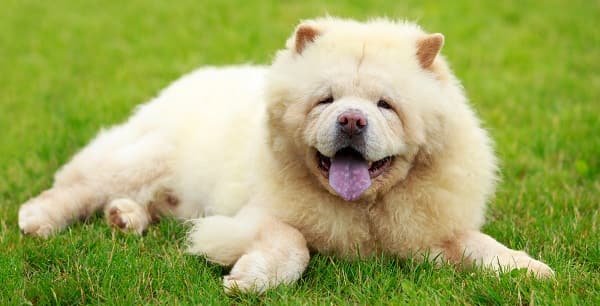
The Chow Chow is famous because of its striking appearance and rare features.
Their blue-black tongue is one of the rarest features among dog breeds.
Chow Chows are compact but strongly built dogs with a broad chest, sturdy legs, and a powerful frame.
| Gender | Height |
| Male | 19–22 inches |
| Female | 17–20 inches |
Their square body shape gives them a strong and balanced appearance.
| Gender | Weight |
| Male | 25–32 kg |
| Female | 20–27 kg |
Maintaining a healthy weight is important because obesity can increase the risk of joint problems and other health issues.
Appearance of a Full Grown Chow Chow Dog
An adult Chow Chow looks extremely majestic.
Coat Colors of Chow Chow Dogs
Chow Chows come in several beautiful colors.
Common coat colors include:
| Color | Recognition |
| Red | Most Popular |
| Black | Common |
| Blue | Recognized |
| Cream | Recognized |
| Cinnamon | Recognized |
Solid-colored coats are preferred in breed standards.
The Chow Chow is calm, independent, and loyal. Unlike many breeds, it is not overly demanding of attention and often forms a particularly strong bond with one or two family members.
Common temperament traits
Early socialization is important to help the dog become comfortable around new people, pets, and environments.
Chow Chows are affectionate with their family but naturally reserved around strangers.
Unlike Labradors, they may not immediately become friendly with everyone.
Proper socialization from puppyhood is extremely important.
Yes, but they are better suited for experienced dog owners.
Chow Chows work well in:
They may not enjoy rough handling or excessive excitement.
Chow Chows are not naturally aggressive, but they can become territorial if not trained properly.
Early training and socialization help them become balanced and confident dogs.
This is one of the most important questions for Indian dog lovers. The Chow Chow is naturally suited to cold and moderate climates due to its dense double coat.
Cold Weather
✔ Excellent
Moderate Climate
✔ Good
Hot Climate
Requires extra care.
During Indian summers:
To keep a Chow Chow comfortable in India:
Heatstroke can become dangerous for heavy-coated breeds.
The Chow Chow is a high-maintenance breed when it comes to coat care.
Brushing: Brush the coat 3–5 times per week to prevent tangles and remove loose fur. During seasonal shedding, daily brushing is recommended.
Bathing: Bathe every 6–8 weeks or when the coat becomes dirty. Use a mild dog shampoo and dry the dense coat thoroughly to avoid skin problems.
Coat Care
Nail Care: Trim nails every 3–4 weeks.
Ear Cleaning : Inspect and clean the ears weekly to reduce the risk of infections.
Dental Care: Brush the teeth at least 2–3 times per week using dog-safe toothpaste.
Yes, Chow Chows are heavy shedders.
Their double coat sheds significantly during seasonal changes.
Regular brushing helps manage fur around the house.
A balanced diet is essential to maintain the breed’s coat quality, muscle health, and overall well-being.
Feed 3–4 small meals per day.
Suitable foods include:
Feed 2 meals daily.
A healthy adult diet may include:
Never feed:
Ensure clean drinking water is always available.
Homemade meals with chicken, eggs, fish, rice, and vegetables also work well.
Despite their fluffy appearance, Chow Chows still need regular activity.
Recommended routine:
Avoid exercising during the hottest part of the day, especially in summer.
Chow Chows are intelligent but can be stubborn. Positive reinforcement works much better than harsh corrections.
Training should begin early and focus on:
Consistency and patience are key to successful training.
Although generally healthy, Chow Chows are prone to certain hereditary and breed-related conditions.
| Health Issue | Description |
| Hip Dysplasia | Abnormal hip joint development |
| Elbow Dysplasia | Joint disorder affecting the front legs |
| Entropion | Eyelids roll inward, irritating the eyes |
| Skin Allergies | Common due to the dense coat |
| Thyroid Disorders | Can affect weight and energy levels |
| Heat Stress | Higher risk in hot climates |
| Obesity | Often caused by overfeeding and low activity |
Regular veterinary check-ups and maintaining a healthy weight can help reduce the risk of many of these conditions.
A healthy Chow Chow usually lives:
Good nutrition and proper care can improve lifespan significantly.
The average Chow Chow puppy price in India ranges between:
Price depends on:
Imported bloodline puppies can cost even more for further you can see this post “Chow Chow Dog Price in India“
Owning a Chow Chow can be expensive.
Average monthly expenses include:
| Expense Type | Monthly Cost |
| Food | ₹5,000 – ₹12,000 |
| Grooming | ₹2,000 – ₹6,000 |
| Vet Care | ₹1,000 – ₹4,000 |
| Cooling Expenses | ₹2,000 – ₹8,000 |
Total monthly maintenance can range from:
Both genders make wonderful pets, but there are some differences.
Male Chow Chow
Female Chow Chow
Yes, Chow Chows can adapt to apartments if:
They are generally quieter than many small breeds.
Pros
Cons
Before buying, always check:
Avoid extremely cheap puppies from unethical breeders.
A Chow Chow is perfect for people who:
They are not ideal for owners looking for highly playful or overly social dogs.
The Chow Chow dog is truly one of the most majestic and unique breeds in the canine world. Their lion-like appearance, fluffy coat, calm personality, and loyal nature make them incredibly special companions.
A full grown chow chow dog looks powerful, elegant, and royal, but owning one also requires commitment, grooming, training, and climate care — especially in India.
If you are ready for the responsibility, a Chow Chow can become a deeply loyal and loving family member for many years.
Always choose ethical breeders, prioritize health over appearance, and give your dog the care and attention it deserves.
A healthy Chow Chow is not just a pet — it becomes a proud companion for life.