 11
11One of the most important commands every dog owner should teach is the “Drop It” command. Whether your dog picks up shoes, chews dangerous objects, steals food, or refuses to let go of toys, this command can make daily life much easier and safer.
In India, many pet parents struggle with dogs grabbing random things during walks — from garbage and plastic to bones and unsafe food items lying on roads. Teaching your dog the “Drop It” command is not just about obedience; it can actually protect your dog’s health and even save its life in emergencies.
The good news is that most dogs can learn this command quickly with the right training approach.
In this detailed guide, we’ll cover everything about drop dog command training, including methods, mistakes to avoid, training tips, puppy training advice, and how Indian dog owners can use this command effectively in real-life situations.
The “Drop It” command teaches your dog to release whatever it is holding in its mouth.
This could include:
When your dog hears the command, it should immediately let go of the item without aggression or resistance.
Many dog owners only focus on commands like:
But “Drop It” is equally important.
Dogs often pick up unsafe items such as:
The drop command can stop accidental swallowing.
Some dogs become possessive over objects. Proper training helps reduce aggressive behavior around items.
Makes Walks Easier
Indian streets often have food waste and garbage. Dogs naturally explore using their mouths.
A strong “Drop It” command improves control during walks.
Improves Playtime
Games like fetch become more enjoyable when the dog learns to release toys properly.
Many people confuse these commands.
| Command | Meaning |
| Drop It | Release item already in mouth |
| Leave It | Do not touch the item |
Both commands are useful and should ideally be taught together.
You can start training:
Puppies usually learn faster because they are naturally curious and adaptable.
However, older dogs can absolutely learn with patience and consistency.
Step 1: Start With a Toy
Begin with a toy your dog likes but is not overly obsessed with.
Avoid:
Let the dog hold the toy comfortably.
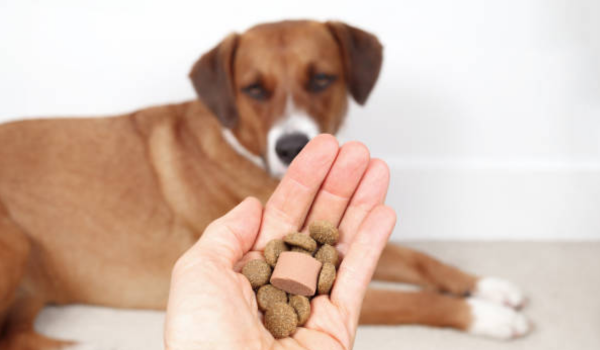
Step 2: Offer a High-Value Treat
Show your dog a tasty treat such as:
Most dogs will naturally release the toy to take the treat.
The moment the dog drops the item:
Timing is very important.
Step 3: Repeat Consistently
Practice several short sessions daily.
Dogs learn through repetition.
Keep sessions:
Step 4: Add Verbal Command Earlier
Once the dog understands the pattern:
Eventually, the dog will respond to the verbal cue alone.
Step 5: Practice With Different Objects
After mastering toys, practice with:
This helps generalize the command.
Always Use Positive Reinforcement
Reward-based training works best.
Avoid:
Punishment can create fear or aggression.
Trade, Don’t Snatch
Never suddenly grab items from your dog’s mouth.
Dogs may start:
Teach them that releasing items leads to rewards.
Stay Calm
If your dog grabs something dangerous, avoid panicking loudly.
Running toward the dog aggressively may turn it into a game.
Instead:
Repeating the Command Too Much
Wrong:
“Drop it! Drop it! Drop it!”
Instead:
Using Cheap Rewards
If the dog values the object more than the treat, training becomes difficult.
Use high-value rewards initially.
Practicing Only Indoors
Dogs may obey inside but ignore commands outside.
Gradually train in:
Punishing the Dog After Dropping
Never scold after the dog obeys.
Otherwise the dog may stop responding next time.
Every dog learns differently.
Some dogs understand within:
Others may require:
Factors affecting training:
Highly intelligent breeds often learn quickly, such as:
However, any dog can learn with patience.
Some dogs become possessive or playful.
For stubborn dogs:
Consistency matters more than force.
Drop Command for Puppies
Puppies constantly pick up random items while exploring.
This is the perfect age to build good habits.
Puppy Training Tips
Puppies learn best through games.
During Walks
Dogs may pick up:
Immediate response can prevent stomach problems.
During Play
The command makes fetch games smoother and more controlled.
Multi-Dog Homes
Helps prevent fights over toys or food.
If your dog grabs:
A trained drop command can be lifesaving.
No.
Forcefully opening the mouth can:
Only veterinarians should manually remove dangerous swallowed objects if needed.
Training is always safer than force.
Once basic training is successful, increase difficulty gradually.
Add Distractions
Practice around:
Increase Distance
Give commands from farther away.
Use Real-Life Scenarios
Practice during walks using safe objects.
Absolutely.
Indian Pariah Dogs and Indies are highly intelligent.
In fact, many Indian native dogs:
Proper socialization and patience are key.
Your dog is learning well if it:
Consistency builds reliability.
Consider a trainer if your dog:
Professional trainers can correct behavior safely.
Affordable training rewards include:
Use tiny portions to avoid overfeeding.
A simple routine works best.
Morning
Evening Walk
Night
Regular practice creates strong habits.
Teaching the “Drop It” dog command is one of the smartest things a pet owner can do. It improves obedience, prevents dangerous situations, and builds better communication between you and your dog.
In India, where dogs often encounter unsafe objects outdoors, this command becomes even more important. Whether you have a Labrador, German Shepherd, Beagle, or Indian Indie dog, positive reinforcement and patience can help your dog master the command successfully.
Remember:
With consistent training, your dog will learn to release objects safely and happily, making everyday life smoother and safer for both of you.