 11
11Eye problems in dogs are more common than many pet owners realize. From redness and itching to watery eyes and infections, dogs can suffer from several eye-related issues that require proper care and treatment. This is where eye drops for dogs become extremely useful.
In India, factors like dust, pollution, heat, allergies, and tick-related infections can increase the chances of eye irritation in dogs. Many pet parents notice symptoms such as excessive tearing, yellow discharge, swollen eyes, or frequent pawing around the eyes but are unsure which eye drops are safe to use.
The truth is that not all eye drops are suitable for dogs. Some human eye medicines can even worsen the condition if used incorrectly.
In this detailed guide, we’ll discuss everything about eye drops for dogs, including common eye problems, types of eye drops, safety tips, side effects, how to apply them properly, and when you should immediately visit a veterinarian.
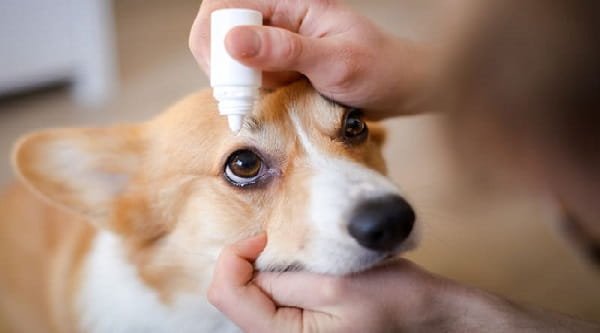
A dog’s eyes are extremely sensitive. Even small irritations can become serious if ignored.
Untreated eye problems may lead to:
Early treatment with proper veterinary guidance can prevent complications.
Before understanding eye drops, it is important to know the common eye conditions dogs face.
Bacterial or viral infections can cause:
Some dogs do not produce enough tears, leading to:
This condition is also called dry eye syndrome.
Dust, pollen, pollution, or food allergies may trigger:
This is especially common during seasonal weather changes in India.
Dogs may injure their eyes while:
Also known as pink eye, conjunctivitis causes:
It may occur due to infection or allergies.
Eye drops are liquid medications specially designed to:
Different eye drops work for different conditions.
This is why veterinary diagnosis is very important.
These help relieve:
They are commonly used for dogs with dry eyes.
These are prescribed for bacterial infections.
They help treat:
Never use antibiotic drops without vet advice.
These reduce:
Steroid drops reduce inflammation but should only be used under veterinary supervision.
Incorrect use can worsen some eye conditions.
These are commonly used for:
Watch for symptoms such as:
If symptoms continue beyond 24 hours, consult a veterinarian.
This is one of the most common questions among Indian pet owners.
The answer is:
Not always.
Some human eye drops may be safe under veterinary guidance, but many are dangerous for dogs.
Certain ingredients can:
Never self-medicate your dog’s eyes without proper advice.
Veterinarians may prescribe different medications depending on the condition.
Some commonly used veterinary eye treatments include:
Specific medicine names should only be used after veterinary examination.
Many dog owners struggle while applying eye drops.
Here is the safest method.
Step 1: Wash Your Hands
Always clean your hands before touching the dog’s eyes.
Step 2: Keep Your Dog Calm
Speak softly and avoid sudden movements.
Small dogs may sit on your lap.
Step 3: Hold the Head Gently
Tilt the head slightly upward.
Do not force aggressively.
Step 4: Pull Lower Eyelid Down Slightly
This creates a small pocket for the drops.
Step 5: Apply the Drops
Avoid touching the eye directly with the bottle tip.
Step 6: Reward Your Dog
Give treats and praise after application.
Positive reinforcement makes future applications easier.
Using Random Human Medicines
This can worsen the condition seriously.
Ignoring Symptoms
Minor redness can become severe infection if delayed.
Touching the Eye With the Bottle
This may spread bacteria and contaminate the medicine.
Stopping Medication Early
Always complete the prescribed course.
Eye Drops for Puppies
Puppies may develop eye infections due to:
Never use adult dog medication on puppies without veterinary approval.
Puppy eyes are extremely sensitive.
Some breeds are naturally more prone to eye issues.
Flat-Faced Breeds
Breeds like:
often suffer from eye irritation because of protruding eyes.
Long-Haired Breeds
Hair around the eyes may cause irritation.
Examples:
Senior Dogs
Older dogs may develop:
Keep Eyes Clean
Use soft cotton with clean water to gently wipe discharge.
Trim Hair Around Eyes
Long fur can irritate eyes.
Avoid Dust Exposure
Dusty roads and pollution may trigger irritation.
Maintain Good Nutrition
Healthy food supports eye health.
Foods rich in:
may help overall eye function.
Some eye problems require urgent medical care.
Seek veterinary help if you notice:
Delaying treatment may risk permanent vision damage.
Hot and humid weather in India can increase:
During monsoon:
Regular grooming helps prevent infections.
No.
Eye drops help manage symptoms and treatment, but some conditions may require:
For example:
need advanced veterinary treatment.
The price depends on:
Approximate range:
Specialized eye medications may cost more.
Many people try:
Avoid putting unverified substances into your dog’s eyes.
Natural remedies without veterinary guidance can worsen irritation or infection.
Regular Grooming
Clean face and eye area weekly.
Balanced Diet
Healthy immunity supports eye health.
Vaccination
Some infections affecting the eyes may be linked to viral diseases.
Tick Prevention
Tick fever can sometimes affect eye health indirectly.
Eye problems in dogs should never be ignored. Whether it’s mild redness or serious infection, proper treatment and early veterinary care are essential to protect your dog’s vision and comfort.
Eye drops for dogs can be highly effective for conditions like dryness, infections, allergies, and irritation, but the correct medicine depends entirely on the actual cause of the problem. Avoid self-medication and always consult a veterinarian before using any eye product.
With proper hygiene, regular checkups, good nutrition, and timely treatment, your dog can enjoy healthy and comfortable eyes for many years.