 11
11If you are a dog parent in India, chances are you have heard about the use of Neomec tablets for dogs during deworming or parasite treatment. Many pet owners search online about whether Neomec is safe, what it treats, the correct dosage, and its side effects. The confusion is understandable because giving the wrong medicine or dosage to a dog can be risky.
In this detailed guide, we will explain everything about Neomec tablet uses for dogs in simple and practical language. Whether you own a Labrador, German Shepherd, Indie dog, Pug, Beagle, or Shih Tzu, this article will help you understand how Neomec works, when vets prescribe it, possible side effects, symptoms of parasite infections, and important precautions.
Ivermectin is the main active ingredient commonly associated with Neomec tablets. It is an antiparasitic medicine used in veterinary treatment to control and eliminate certain internal and external parasites in dogs.
Neomec is commonly used in India for:
Veterinarians usually prescribe it after examining the dog because the medicine strength and dosage depend heavily on the dog’s weight, breed, and medical condition.
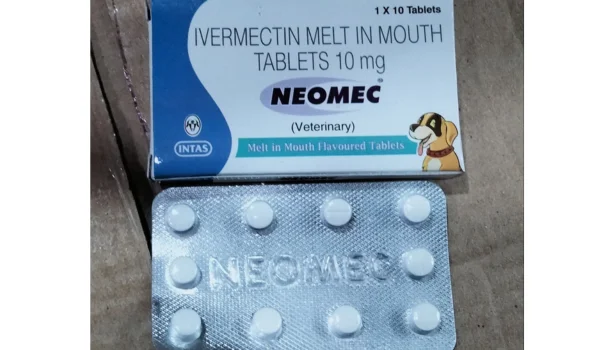
One of the most common uses of Neomec tablets is treating mange.
Mange is a skin disease caused by mites. Dogs suffering from mange may experience:
There are mainly two types of mange seen in dogs:
Demodectic Mange
Caused by demodex mites living inside hair follicles.
Sarcoptic Mange
Highly contagious and causes intense itching.
Neomec helps kill these mites and gradually improves skin condition.
Dogs often suffer from intestinal worms, especially puppies and stray dogs.
Common worms include:
Symptoms of worm infestation include:
Neomec may be used as part of a parasite control plan prescribed by a veterinarian.
Ear mites are tiny parasites that live inside a dog’s ears.
Symptoms include:
In some cases, vets may prescribe Neomec-based treatment to control ear mite infestations.
Ticks can spread dangerous diseases in dogs. While Neomec is not always the first treatment for ticks, it may sometimes be used in broader parasite-control strategies under veterinary supervision.
Tick problems can cause:
Regular tick prevention remains very important for Indian pet dogs, especially during monsoon season.
Dog owners should observe their pets carefully. Some signs may indicate parasite infections or skin infestations.
Skin-Related Symptoms
Digestive Symptoms
General Symptoms
If your dog shows multiple symptoms together, consult a vet instead of self-medicating.
Yes, Neomec can be safe when prescribed correctly by a veterinarian. However, misuse or overdose can be dangerous.
Certain dog breeds are highly sensitive to ivermectin-based medicines.
Dog Breeds That Need Extra Caution
Some breeds may react badly to ivermectin, including:
These breeds may carry a genetic mutation that increases sensitivity to the medicine.
Indian dog breeds and Indies usually tolerate it better, but dosage accuracy is still extremely important.
Neomec Tablet Dosage for Dogs
Dosage depends on:
Because Neomec contains a powerful antiparasitic ingredient, dosage mistakes can lead to poisoning.
Important Rule
Never give Neomec tablets to dogs without veterinary guidance.
Even small dosage errors can cause severe side effects in smaller dogs and puppies.
Most dogs tolerate the medicine well when used correctly. However, some dogs may show side effects.
Mild Side Effects
Serious Side Effects
In overdose situations or sensitive breeds:
If any unusual symptoms appear after giving the medicine, contact a veterinarian immediately.
Puppies are more sensitive to medicines compared to adult dogs.
Very young puppies should only receive parasite medication under proper veterinary supervision.
Improper dosing in puppies can lead to:
Always follow your vet’s instructions carefully.
Before prescribing medicines like Neomec, vets may perform:
Skin Scraping Test
Used to identify mites causing mange.
Stool Examination
Checks for intestinal worms and parasite eggs.
Physical Examination
Helps identify skin irritation, hair loss patterns, and infection severity.
Blood Tests
Sometimes needed in severe or chronic cases.
Proper diagnosis is important because not all skin problems are caused by parasites.
Medicine alone is not enough. Proper care speeds up recovery.
Keep the Dog Clean
Improve Nutrition
Healthy food helps the immune system recover faster.
Good options include:
Isolate Contagious Dogs
If your dog has sarcoptic mange or severe parasites, avoid contact with other pets temporarily.
Complete the Full Treatment
Many owners stop medicines once symptoms improve. This can cause parasites to return.
Always complete the treatment course recommended by the vet.
Some parasites, especially mange mites and worms, may affect humans temporarily.
Symptoms in humans may include:
Good hygiene reduces risk.
Prevention Tips
Prevention is always easier and cheaper than treatment.
Regular Deworming
Most vets in India recommend:
Tick and Flea Control
Use:
Maintain Clean Surroundings
Dirty environments increase parasite exposure.
Keep:
Healthy Diet
A strong immune system helps dogs fight infections naturally.
Some owners try natural remedies like:
These may help soothe skin mildly but usually cannot replace proper veterinary treatment for serious mange or parasite infestations.
Avoid relying only on home remedies when symptoms are severe.
Seek veterinary help quickly if your dog has:
Early treatment prevents complications.
Indian weather conditions increase parasite problems due to heat, humidity, and stray animal exposure.
Here are some practical vet-approved tips:
Routine preventive care is much cheaper than treating advanced infections later.
Can Neomec cure mange completely?
Yes, many dogs recover fully with proper treatment and hygiene management. However, severe cases may require long-term care.
Is Neomec safe for all dog breeds?
No. Certain breeds are sensitive to ivermectin-based medicines and need special caution.
How long does Neomec take to work?
Improvement may begin within days, but full recovery can take several weeks depending on infection severity.
Can I buy Neomec without a prescription?
In many places it may be available, but self-medication is risky and not recommended.
Can Neomec treat ticks directly?
It may help in some parasite-control programs, but dedicated tick treatments are usually preferred.
Final Thoughts
Neomec tablets can be highly effective for treating parasite-related conditions in dogs when used properly under veterinary guidance. From mange and mites to worm infestations, the medicine plays an important role in canine healthcare in India.
However, dog owners must understand that Neomec is not a casual over-the-counter solution. Wrong dosage, breed sensitivity, or self-medication can lead to serious complications.
The safest approach is always:
A healthy dog is not just parasite-free but also active, happy, energetic, and well cared for. Regular preventive care, grooming, and deworming schedules can help your furry friend live a long and comfortable life.